Few places in the world can compare to the natural richness of Yasuní National Park. Located in the Ecuadorian Amazon, this extraordinary protected area is often described as one of the most biodiverse places on Earth.
Here, life appears in every direction: in the songs of birds at sunrise, in the movement of monkeys through the canopy, in the quiet waters where caimans and giant river otters live, and in the countless plants, insects, amphibians, reptiles, and mammals that make the rainforest one of the most complex ecosystems on the planet.
But Yasuní is not only important because of its wildlife. It is also home to Indigenous communities whose lives, culture, and future are deeply connected to the forest.
Among them, the Kichwa Añangu Community has lived in this territory for decades, protecting the rainforest and creating a community-led tourism model that allows nature, culture, and conservation to thrive together.
At the heart of this story is Napo Wildlife Center, a community-owned lodge that offers travelers the opportunity to experience Yasuní National Park while directly supporting the people who protect it.
 At night, the forest changes completely. Night walks can reveal frogs, insects, spiders, snakes, and other nocturnal species that are rarely seen during the day.
Every encounter shows that biodiversity is not only about numbers. It is about relationships. Each species has a role in the balance of the rainforest, and each one depends on healthy habitats to survive.
What makes Napo Wildlife Center especially meaningful is that it is owned and managed by the Kichwa Añangu Community. This means each visit supports a community-led conservation model that helps protect the forest while generating opportunities for local families.
At Napo Wildlife Center, travelers do not simply visit Yasuní National Park. They experience it through the vision of a community that has chosen to protect its home.
At night, the forest changes completely. Night walks can reveal frogs, insects, spiders, snakes, and other nocturnal species that are rarely seen during the day.
Every encounter shows that biodiversity is not only about numbers. It is about relationships. Each species has a role in the balance of the rainforest, and each one depends on healthy habitats to survive.
What makes Napo Wildlife Center especially meaningful is that it is owned and managed by the Kichwa Añangu Community. This means each visit supports a community-led conservation model that helps protect the forest while generating opportunities for local families.
At Napo Wildlife Center, travelers do not simply visit Yasuní National Park. They experience it through the vision of a community that has chosen to protect its home.
Where Is Yasuní National Park?
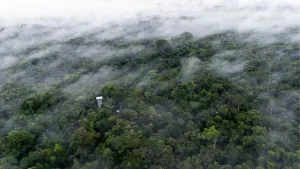
Yasuní National Park is located in the northeastern Ecuadorian Amazon, mainly in the province of Orellana. It is part of the larger Yasuní Biosphere Reserve, recognized by UNESCO in 1989 as one of Ecuador’s biosphere reserves. UNESCO describes Yasuní as one of the most biodiverse areas per square meter on the planet and notes that it is home to unique species and Indigenous communities in voluntary isolation. This protected area includes tropical rainforest, rivers, creeks, lagoons, flooded forests, and terra firme forests. Together, these habitats create ideal conditions for an extraordinary concentration of life. For travelers, reaching Yasuní is already part of the experience. The journey usually begins with a short flight from Quito to Coca, followed by navigation along the Napo River and smaller waterways that lead deep into the rainforest. This gradual transition from city to river, from river to forest, and from forest to lodge is one of the reasons Yasuní feels so remote, immersive, and unforgettable.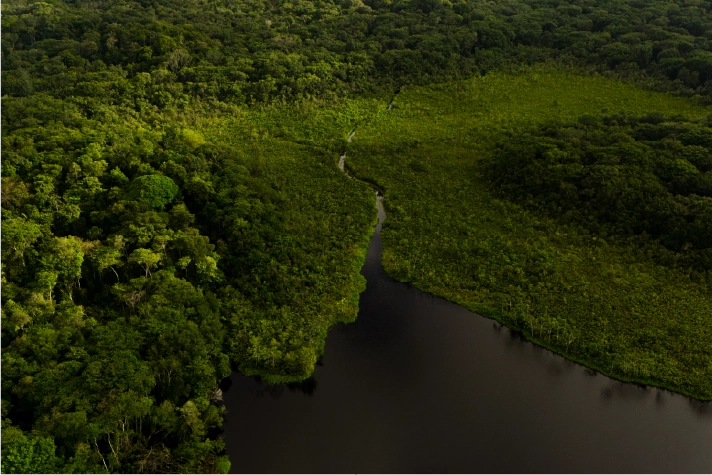
Why Is Yasuní So Biodiverse?
Yasuní’s biodiversity is the result of several powerful natural factors coming together in one place. Its location near the equator provides warm temperatures, high humidity, and abundant rainfall throughout the year. These conditions allow plants to grow continuously, creating food, shelter, and microhabitats for countless species. The park also contains a wide variety of habitats. Terra firme forests, seasonally flooded forests, blackwater creeks, rivers, lagoons, clay licks, and dense understory areas all support different forms of life. This means that a single journey through Yasuní can reveal completely different worlds: canopy birds above the trees, amphibians hidden in leaves at night, monkeys moving through branches, fish in Amazonian waters, insects with extraordinary shapes, and plants adapted to every layer of the forest. According to Ecuador’s National Biodiversity Institute, Yasuní National Park is home to 458 freshwater fish species, representing 70% of the known fish species in the Napo River basin and 21.9% of the entire Amazon basin. Other biodiversity summaries describe Yasuní as home to around 600 bird species, 200 mammal species, 150 amphibian species, and 121 reptile species, showing why this protected area is considered one of the most biologically rich regions on Earth.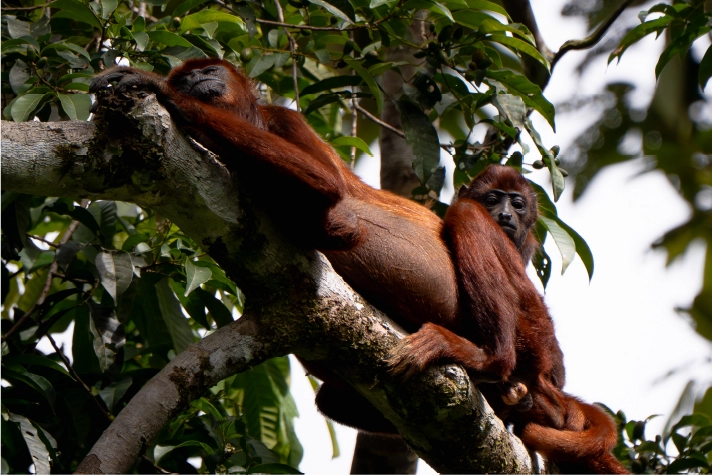
A Paradise for Birdwatching
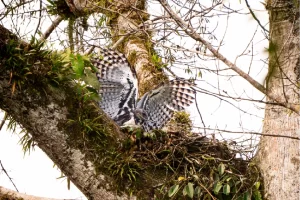
For bird lovers, Yasuní National Park is one of the most exciting destinations in the Ecuadorian Amazon. The forest is home to toucans, macaws, parrots, tanagers, kingfishers, puffbirds, trogons, manakins, herons, raptors, woodpeckers, antbirds, and many other species. Every habitat offers different birding opportunities, from open lagoon edges to forest trails and observation towers above the canopy. At Napo Wildlife Center, birdwatching is one of the most important experiences. Guests can explore the rainforest by canoe, visit observation towers, walk forest trails, and access clay licks where parrots and macaws gather in the morning. One of the most remarkable current stories in the area is the presence of a Harpy Eagle nest within the protected territory of the Kichwa Añangu Community, near Napo Wildlife Center. This powerful bird of prey depends on large areas of mature rainforest, giant nesting trees, and healthy ecosystems to survive. For birdwatchers and wildlife photographers, Yasuní is not only a destination with many species. It is a place where rare and meaningful conservation stories can still be witnessed.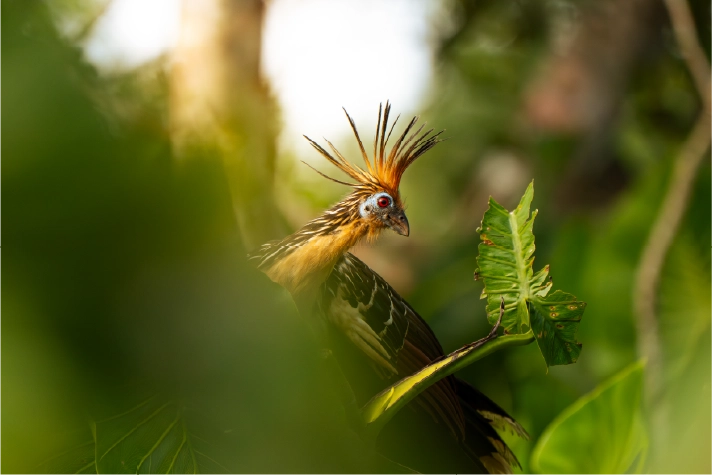
Wildlife Encounters in the Amazon Rainforest
Yasuní is also known for its incredible wildlife. During a stay in the area, visitors may have the opportunity to observe different species of monkeys, including squirrel monkeys, howler monkeys, woolly monkeys, spider monkeys, sakis, and tamarins. These primates play an important role in the ecosystem, especially as seed dispersers that help regenerate the forest. The waters of Yasuní are equally full of life. Caimans, anacondas, turtles, kingfishers, hoatzins, and giant river otters are part of the aquatic landscapes around rivers, creeks, and lagoons.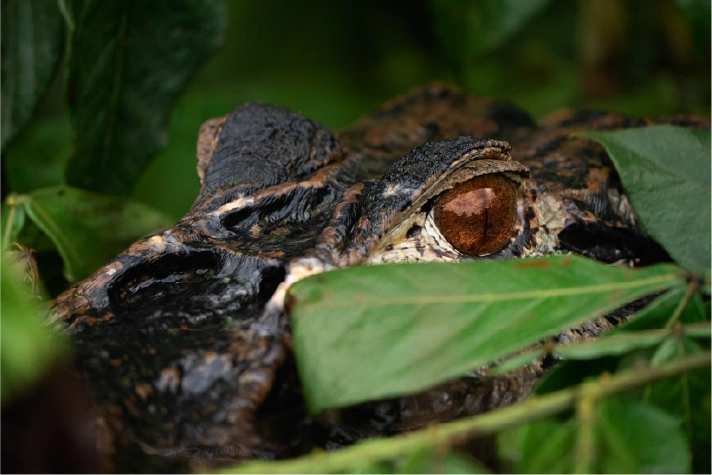
Napo Wildlife Center: A Gateway to Yasuní National Park
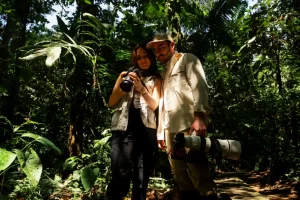
Located in the heart of Yasuní, Napo Wildlife Center offers one of the most immersive ways to experience the Ecuadorian Amazon. The lodge is surrounded by rainforest and connected to the landscape through water, trails, observation towers, and local guides who know the territory deeply. Guests can explore the forest by canoe, walk through terra firme trails, climb observation towers, visit clay licks, and observe wildlife in its natural habitat.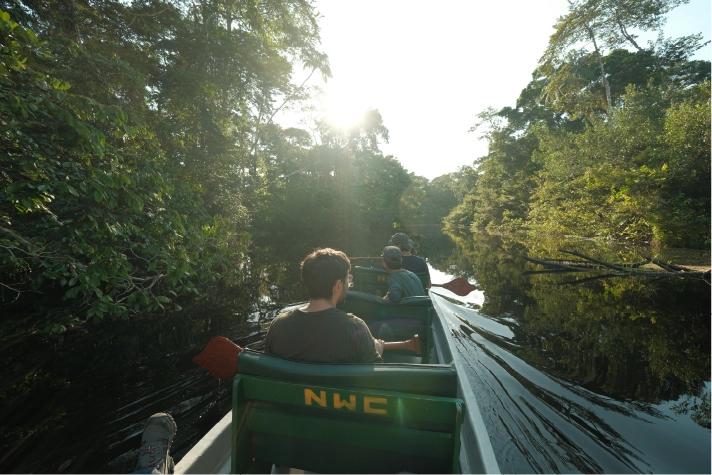
Why Protected Forests Matter
Yasuní’s biodiversity depends on the protection of large, connected areas of rainforest. Many species need mature forests to survive. Harpy Eagles require tall nesting trees and enough prey in the surrounding forest. Monkeys need continuous canopy pathways to move and feed. Giant river otters depend on clean aquatic habitats. Amphibians rely on humidity, vegetation, and healthy microhabitats. When the forest is protected, these relationships remain alive. Protected areas like Yasuní National Park are essential, but conservation becomes stronger when local communities are actively involved. The daily work, decisions, and commitment of communities such as Añangu help turn conservation into a living practice. This is why community-based tourism matters. It gives value to a standing forest, creates local opportunities, and helps travelers understand that protecting biodiversity also means supporting the people who protect it every day.Traveling With Purpose in Yasuní
For international travelers, visiting Yasuní National Park is an opportunity to experience one of the most biodiverse places on Earth. But it is also an opportunity to travel with purpose. By choosing a community-owned lodge like Napo Wildlife Center, visitors support conservation, local employment, education, cultural preservation, and sustainable development within the Kichwa Añangu Community. Every canoe ride, wildlife sighting, guided walk, and cultural exchange becomes part of a larger story: the story of a community protecting the Amazon while sharing its beauty with the world. Traveling to Yasuní is not only about seeing wildlife. It is about understanding why the forest matters and why its protection depends on both nature and people. In Yasuní, biodiversity is not only something to admire. It is something to protect, respect, and experience with purpose. 🌿